Towing During Holidays and Peak Seasons: What Homeowners and Businesses Should Know
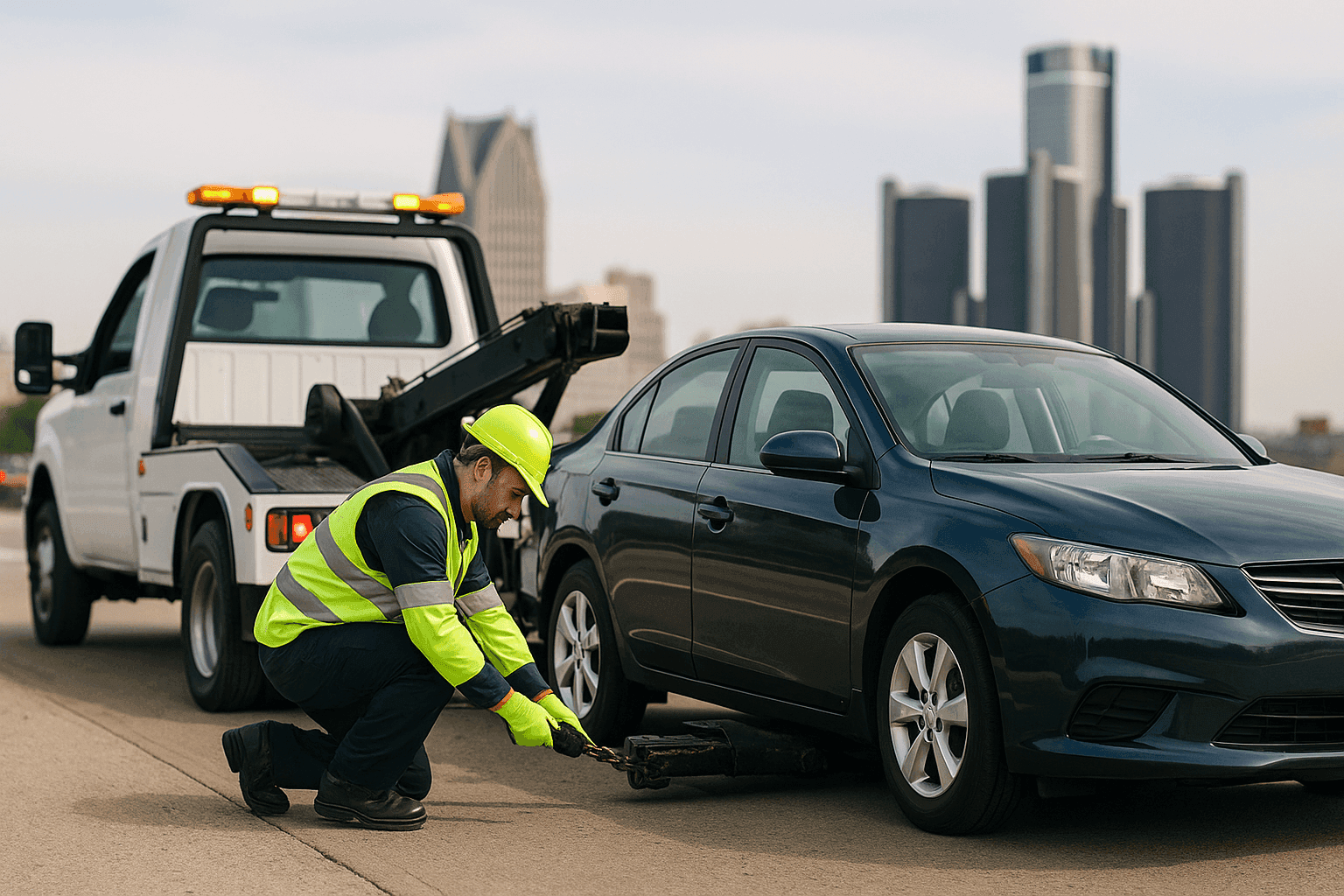
When the holidays hit, roads fill up like stadiums on game day. Families pack their cars. Businesses race to meet deadlines. The last thing anyone wants is a breakdown in bumper-to-bumper traffic—or worse, stuck roadside for hours. At Hook N Book Towing, we’ve seen it all. We know the unique challenges that come with peak travel periods, and we’re here to help you steer clear of trouble.
Whether you’re heading to Grandma’s or managing a fleet of delivery vans, preparation makes all the difference. Let’s break down what every homeowner and business should know about towing_service during holidays and busy seasons.
Why Holidays and Peak Seasons Are High Risk 🚦
Holidays and peak travel times are like rush hour—amplified. More drivers on the road means more chances for problems to pop up. Here’s why risk goes up:
- Traffic volume skyrockets. Highways get crowded, especially near cities and popular destinations.
- Breakdowns spike. Old batteries, worn tires, and neglected maintenance have a way of showing up when you least expect it.
- Wait times stretch out. More calls for towing_service means longer queues, especially if weather turns nasty or accidents pile up.
- Stress runs high. Tempers flare, patience thins, and small issues can feel much bigger.
The National Highway Traffic Safety Administration (NHTSA) reports that vehicle breakdowns increase significantly during major holiday periods. It’s not just about inconvenience—safety is on the line.
Preparing Your Vehicle—Special Maintenance and Checks
Think of holiday prep as packing for a camping trip. You wouldn’t head out without checking your gear. Same goes for your car or commercial vehicle.
Homeowner Checklist
- Battery test: Cold snaps and long drives are tough on old batteries. Visit a local auto shop for a quick test.
- Tire check: Inspect for proper pressure, tread depth, and look for bulges or cracks.
- Fluid levels: Top off oil, coolant, windshield washer, and brake fluid.
- Lights and signals: Confirm they’re all working—especially brake lights and turn signals.
- Emergency kit: Stash jumper cables, a flashlight, first aid, water, and snacks.
Business and Fleet Prep
Managing a fleet? Now’s the time for preventive maintenance near you. Schedule:
- Fleet inspections with detailed reporting.
- Battery and charging system checks for all vehicles.
- Tire rotation and replacement as needed.
- Pre-trip inspections following DOT or FMCSA guidelines.
A little time in the garage beats hours on the shoulder.
How to Speed Up Service
Breakdowns during peak season can feel like waiting for a snowstorm to pass. But you can cut down on delays with a few smart moves.
- Book ahead when possible. Need a tow for a scheduled repair? Call early and reserve your slot.
- Have your info ready. When you call, provide:
- Your exact location (mile marker, landmark, or GPS coordinates)
- Vehicle make, model, and color
- Nature of the problem (flat tire, dead battery, engine won’t start)
- Stay visible and safe. Turn on hazard lights. If safe, exit the vehicle and wait well away from traffic.
- Follow dispatcher instructions. Our team might ask for more details to send the right truck and gear.
A little preparation goes a long way. The more we know upfront, the faster we can get help rolling your way.
Common Holiday Towing Issues
Some problems come up again and again during busy seasons. Here’s what we see most:
- Flat tires: Potholes, debris, and underinflated tires are a recipe for trouble.
- Dead batteries: Frequent stops, short trips, and cold weather sap battery life.
- Lockouts: Rushing to finish errands? Keys get locked inside more often than you’d think.
- Overheating: Heavy traffic and summer heat put extra strain on older engines.
Prevention tip: Regular maintenance and a quick once-over before any trip can sidestep most of these headaches.
Business Considerations
For commercial clients, the stakes are higher. Every hour a truck is down, deliveries and schedules take a hit. Here’s how to stay ahead:
- Schedule inspections before peak periods.
- Educate drivers on basic troubleshooting and safe waiting practices.
- Keep emergency contacts and roadside instructions handy in each vehicle.
- Use telematics or fleet management apps to monitor vehicle health and location in real time.
Preparation isn’t just smart. It’s how businesses keep moving when everyone else is stuck.
Practical Safety Tips During a Breakdown
Safety always comes first. Here’s a quick checklist if you get stranded:
- Pull over as far from traffic as possible.
- Turn on hazard lights.
- Set up reflective triangles or flares if you have them.
- Stay inside your vehicle unless it’s unsafe.
- Keep your phone charged and within reach.
If you’re on a highway or in a dangerous spot, follow guidance from local law enforcement or highway patrol.
How Maintenance Near You Can Make the Difference
Think of routine maintenance like brushing your teeth—easy to skip, but you pay for it later. Regular oil changes, tire checks, and battery tests aren’t just routine—they’re your best defense against a breakdown at the worst possible time.
For businesses, consider scheduling fleet-wide inspections before the holiday rush. It’s a small investment with a big payoff in uptime and driver safety.
When to Call a Towing_Service Pro (and When Not To)
Some issues are DIY. Others need professional tools and experience. Here’s a simple rule:
- DIY: Flat tire (if you have a spare and know how to change it), battery jump, refueling.
- Call a Pro: Engine failure, transmission problems, major electrical faults, or if you’re in an unsafe location.
Trying to fix a big problem roadside can be like patching a leaky boat in a storm. Sometimes, it’s safer to wait for help.
What To Expect When Hook N Book Towing Arrives
Our team rolls up ready to get you moving. Here’s what happens next:
- Safety first: We assess the scene and set up safety markers.
- Diagnosis: Quick check to confirm the issue and best solution.
- Action: Towing, jump start, tire change, or lockout service—whatever’s needed.
- Next steps: We’ll help you decide where to take your vehicle (home, repair shop, etc.).
We follow all local and state safety codes, including FMCSA and NHTSA guidelines for roadside operations.
Prevention & Maintenance Strategies
Want to avoid a holiday towing_service call? Here are practical steps:
- Set reminders for regular oil, battery, and tire checks.
- Replace worn wiper blades for better visibility in winter.
- Keep your gas tank at least half full—especially in cold weather.
- Update your emergency kit seasonally.
- Schedule inspections before major trips or busy periods.
Small habits can save you big headaches.
Costs & Time Factors (No Quotes, Just Ranges)
During holidays, expect:
- Slightly higher costs due to demand and after-hours service.
- Longer waits, especially during peak evening or weekend hours.
- Extra fees for complex recoveries or hazardous locations.
Always ask for an estimated arrival time and breakdown of services when you call.
When It’s an Emergency
If you’re in immediate danger—accident, blocked traffic, or health emergency—call 911 first. Your safety comes before any towing_service.
For less urgent situations, call your trusted local provider. We’re always ready to help, but emergencies need a different kind of response.
FAQ
What should I do if I break down during a holiday trip?
Move your vehicle to a safe spot, turn on hazard lights, and call for towing_service. Stay calm and wait for professional help.
How can I avoid long towing wait times?
Book ahead for planned services, keep your information handy, and travel outside peak hours when possible.
Do commercial fleets need different prep during holidays?
Yes—schedule inspections, train drivers, and update emergency procedures for busy travel windows.
Are there special safety steps for winter or summer?
Absolutely. In winter, check antifreeze and battery. In summer, monitor coolant and tire pressure.
Local and Seasonal Considerations
Weather changes everything. In winter, icy roads and low temps mean extra caution. In summer, overheating and tire blowouts are more common. Local laws may require reflectors or specific emergency gear—check your state’s DOT guidelines for details.
For businesses, consider route planning to avoid traffic bottlenecks and construction zones during peak times.
Don’t let a breakdown turn your holiday or busy season into a nightmare. Hook N Book Towing is ready to help homeowners and businesses stay safe and on the move.
Call Hook N Book Towing now — or reach us anytime at 844-484-7635 .