Emergency Towing Preparedness: What to Do Before Help Arrives
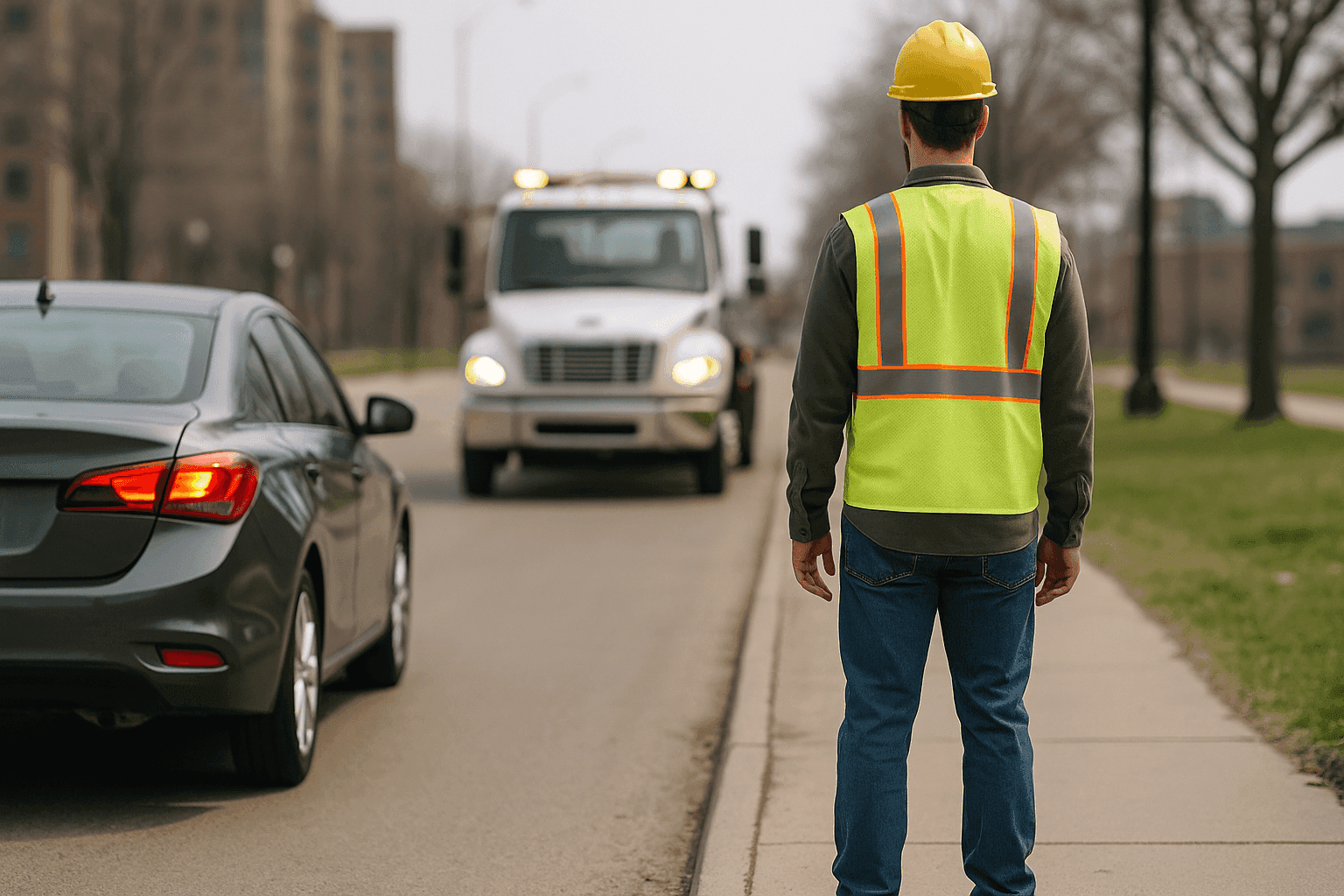
A breakdown or accident never waits for a good moment. It’s startling, stressful, and can happen to anyone—on a sunbaked highway, a dark suburban street, or in the teeth of a winter storm. When you’re stranded and waiting for towing_services, every minute can feel like an hour.
At Hook N Book Towing, we’ve helped thousands of drivers—from solo commuters to commercial fleet managers—navigate those unpredictable moments safely. Here’s how you can stay calm, protect your property, and set the stage for a smooth recovery while waiting for professional help.
Immediate Safety Precautions 🚨
First things first: safety is your anchor in a storm. Before you think about paperwork or phone calls, make sure you and everyone with you are out of harm’s way.
- Move your vehicle (if possible and safe) to the shoulder or a secure location away from traffic.
- Turn on hazard lights so approaching vehicles see you from a distance.
- Set up emergency triangles or flares at least 50–100 feet behind your car, especially in low visibility or at night (per National Highway Traffic Safety Administration guidelines).
- Stay inside your vehicle if you’re on a busy roadway—unless there’s smoke, fire, or an immediate threat.
- Keep seatbelts fastened while inside, especially if you’re on a highway or curve.
- In extreme weather (blizzard, windstorm, heatwave), conserve battery and fuel by running the engine for short intervals and cracking a window for ventilation.
- Call 911 if anyone is injured or traffic is blocked.
Quick Safety Checklist for Drivers & Passengers
- [ ] Vehicle out of traffic (if possible)
- [ ] Hazard lights on
- [ ] Emergency triangles/flares placed
- [ ] All passengers accounted for
- [ ] Stay inside unless unsafe
- [ ] Emergency services notified (if needed)
- [ ] Engine off if not needed
How to Communicate with Dispatch
Clear, calm communication keeps the wheels turning. When you contact Hook N Book Towing or any towing_services dispatcher, aim for accuracy and brevity. Think of it as painting a picture with words.
- Location: Use landmarks, mile markers, or GPS coordinates. “I’m on I-70, westbound, just past exit 112.”
- Vehicle Details: Make, model, color, license plate, and any distinguishing features.
- Situation: Breakdown, accident, off-road, stuck in mud or snow, etc.
- Number of passengers: For safety and equipment planning.
- Special needs: Pets, children, medical equipment, or hazardous cargo.
What Dispatch Needs to Know
- Is your vehicle blocking traffic?
- Are you in a safe place to wait?
- Are you experiencing severe weather?
- Do you need roadside repairs (jump start, tire change), or full towing_services like Equipment Transport or Heavy-Duty Towing?
- Will you require Accident Documentation Assistance or Insurance Claims Assistance?
What Info to Gather
Documentation isn’t just about paperwork—it’s your safety net when insurance, liability, or legal questions arise. The more organized you are, the smoother everything goes.
- Take photos: The scene, vehicle damage, license plates, road conditions, and any other vehicles involved.
- Exchange information: If it’s an accident, gather other driver’s contact and insurance details.
- Witness details: Names and numbers if anyone saw what happened.
- Record time and location: Jot them down while it’s fresh.
- Policy numbers: Have your insurance and registration handy.
Passenger Checklist
- [ ] Gather and secure personal belongings
- [ ] Confirm contact info in case you get separated
- [ ] Note any injuries or symptoms (even mild ones)
- [ ] Stay calm and supportive—anxiety spreads quickly
Securing Your Belongings
A towing or recovery operation can jostle every loose item in your car. Before the tow truck arrives:
- Collect valuables: Phones, wallets, purses, laptops, and medications.
- Remove important documents: Registration, insurance, work papers.
- Check the trunk and glove box: Don’t forget emergency kits or tools.
- If possible, gather seasonal gear: Blankets in winter, water in summer.
- For commercial vehicles: Secure business equipment, sensitive cargo, and company property.
Quick Belongings Checklist
- [ ] Wallet, phone, keys
- [ ] Medications
- [ ] Electronics
- [ ] Documents (registration, insurance)
- [ ] Work items
- [ ] Emergency supplies
Special Considerations for Commercial Fleets
Fleet managers and commercial drivers face extra layers of responsibility. Downtime affects your operations and your reputation.
- Notify your dispatch or fleet manager immediately
- Document cargo status: Take photos, note temperature (for perishables), and document seals or locks.
- Prepare for transfer/storage: If Equipment Transport or Vehicle Storage Services are needed, inform dispatch.
- Accident Documentation Assistance: Collect all relevant details for insurance and reporting.
- Maintain driver logs: Update records as required by FMCSA or DOT regulations.
- Secure all company assets and sensitive materials
Fleet-Specific Checklist
- [ ] Notify company/dispatch
- [ ] Document cargo and vehicle status
- [ ] Update logs per DOT/FMSCA rules
- [ ] Secure sensitive equipment
- [ ] Communicate follow-up needs (replacement vehicle, alternate transport)
Advice on Documentation for Insurance
Insurance claims don’t have to be a maze. The more you can provide up front, the fewer hurdles down the road.
- Accurate photos: Capture wide shots and close-ups of all damage or relevant details.
- Written notes: Time, date, weather, sequence of events.
- Police reports: Request copies if law enforcement is involved.
- Tow receipt and service details: Ask your Hook N Book Towing operator for a complete invoice.
- Witness information: Names and phone numbers.
Following these steps will help streamline your Insurance Claims Assistance and protect your interests.
Seasonal and Emergency Nuances
Winter brings black ice and whiteouts. Summer can mean overheated engines or wildfires. Each season has its own curveballs.
- Winter: Dress in layers, keep blankets, and avoid overexertion if digging out of snow. Conserve fuel and battery when running heat.
- Summer: Stay hydrated, seek shade when possible, and be cautious of heatstroke symptoms.
- Storms: Stay in your vehicle during lightning or high winds if safe. Avoid touching metal surfaces during electrical storms.
- Floods: Never try to drive through standing water—call for Off-Road Recovery or Vehicle Recovery Services immediately.
Minimizing Risks While You Wait
Waiting for towing_services can feel like being stuck in neutral. But you’re not powerless. Here’s how to keep risk at bay:
- Stay visible: Hazard lights, reflective vests, and markers.
- Stay together: Don’t wander off; it’s easy to miss the tow truck or become separated.
- Stay informed: Listen for updates on your phone/radio, especially during bad weather.
- Stay vigilant: Be aware of your surroundings and cautious if approached by strangers.
Streamlining the Towing Process
A little preparation goes a long way—like laying out puzzle pieces before the box even opens.
- Be ready with info: Your dispatcher will thank you.
- Have keys and documents handy: Saves valuable time.
- Direct the tow operator to hazards: Point out leaking fluids, broken glass, or unstable cargo.
- Stay engaged: Ask questions if unsure, and clarify your destination or any special requirements.
Protecting Your Property
While Hook N Book Towing treats every vehicle like it’s our own, your vigilance adds another layer of protection.
- Double-check belongings: Once your car is on the truck, access might be limited.
- Document condition before the tow: Photos can prevent disputes or confusion later.
- Understand storage options: If your car needs to be held temporarily, clarify the process and access rules.
- For specialty vehicles: Communicate any unique requirements—motorcycles, boats, RVs, or commercial rigs.
Frequently Asked Questions
What should I do if I break down at night or in bad weather?
Move your vehicle to safety if possible, turn on hazard lights, and remain inside with seatbelts fastened. Stay warm with blankets—don’t run the engine continuously in snow. Call for help and provide your exact location.
How long will it take for a tow truck to arrive?
Response times vary by location, weather, and call volume. Typically, urban areas see faster service than remote highways, but Hook N Book Towing operates 24/7 to get to you as quickly as possible.
What if I need special towing—like Equipment Transport near you?
Let dispatch know about any unique needs: heavy-duty vehicles, specialty rigs, boats, or off-road situations. The right truck and tools will be dispatched to match your situation.
Is there anything I should avoid doing while waiting?
Don’t accept rides from strangers. Don’t leave your vehicle unattended unless safety demands it. Don’t try DIY repairs if you’re unsure—they can make things worse or risk your safety.
Local and Seasonal Considerations 🌦️
Every region has its quirks. In winter, icy roads and whiteouts mean extra caution. In summer, overheating and wildfires can force roadside stops. Stay tuned to local advisories and equip your vehicle with season-appropriate emergency kits—blankets, water, flares, and first-aid.
For commercial fleets, alternate routes and backup drivers can help keep operations running smoothly during regional emergencies or closures.
Final Thoughts: Preparedness Pays Off
A roadside emergency is like a sudden thunderstorm—you can’t always predict it, but you can be ready. By following these steps, you’ll protect yourself, your passengers, your vehicle, and your peace of mind.
Whether you’re a commuter, a family on vacation, or a commercial fleet operator, Hook N Book Towing is here to provide reliable towing_services, from Equipment Transport near you to accident recovery and more.
Call Hook N Book Towing now — or reach us anytime at 844-484-7635 .