Understanding Towing Costs: What Affects Your Final Bill?
You see the flashing lights in your rearview. Maybe it’s a breakdown, an accident, or just a stubborn flat. Either way, you’re stuck—and you need help. Fast. But as your phone dials for towing_services, a new worry creeps in: How much will this actually cost?
At Hook N Book Towing, we know that understanding the bill can feel like decoding a mystery. Let’s break down what really drives towing costs, so you can feel confident, not confused, when help arrives.
Base Rates and Mileage 🚚
Think of towing pricing like a cab ride. There’s a starting fare (the “hook fee”)—just for getting the truck out to you. After that, the meter runs based on how far your vehicle needs to travel. This means:
- Base rate: Covers dispatch, basic setup, and vehicle hookup.
- Per-mile charge: Kicks in after the first few miles, and varies by distance.
Short, local tows cost less than long-distance hauls. Need Equipment Transport near you, or across the state? That difference shows up in the mileage line on your invoice.
Tip: Always ask for an estimate of both base and mileage rates. Reputable towing_services will explain these up front.
Service Type: Light, Medium, Heavy-Duty
Not all jobs are created equal. Hauling a compact sedan is a different beast than moving a loaded semi, a luxury RV, or heavy equipment.
- Light-duty towing: For cars, small trucks, and motorcycles.
- Medium-duty towing: For delivery vans, utility trucks, or larger pickups.
- Heavy-duty towing: For buses, tractor-trailers, construction equipment, and more.
Heavier vehicles require more powerful trucks, additional crew, and specialized gear. That’s why the price climbs with the size (and weight) of what you need moved.
Specialty vehicles—like classic cars, motorcycles, or low-clearance sports cars—call for custom handling, flatbeds, or specific straps. These aren’t your average tows, so expect a higher rate for the extra care.
After-Hours and Emergency Fees
Trouble doesn’t stick to a 9-to-5 schedule. Breakdowns, accidents, and off-road recoveries often happen at the worst possible times—late at night, during storms, or on holiday weekends.
- 24/7 towing_services: Expect a surcharge for calls outside regular business hours.
- Emergency response: Severe weather, accident scene management, or off-road recovery can mean extra crew, overtime rates, or hazardous conditions.
During major storms, local rates may spike due to demand and risk. Think of it like surge pricing: more calls, tougher jobs, and less sleep for the crew.
Tip: If you’re not in immediate danger, ask if waiting until business hours could save you money.
Specialty Services Costs 🛠️
Some situations require specific skills or equipment:
- Winching services: For vehicles stuck in mud, snow, or a ditch.
- Flatbed towing: For all-wheel-drive, luxury, or damaged vehicles.
- Accident scene cleanup: Removing debris, fluid spills, or hazardous materials.
- Boat or RV towing: Larger, more complex, and needs unique tools.
- Off-road recovery: Deep woods, construction zones, or floodwaters? These jobs demand extra time and care.
Each specialty service adds to the bill. For example, a simple tire change or jump start may carry a flat fee, but a winch-out from a ravine is more involved. If you need Equipment Transport near you, but the path is blocked or off-pavement, the effort (and price) goes up.
Tip: Ask for an itemized estimate before work begins. Reputable providers will spell out each service and its cost.
Insurance and Payment Options
Sometimes, your insurance policy or roadside assistance plan will cover some or all of your towing_services. But there are limits:
- Coverage caps: Many plans only reimburse up to a set dollar amount or distance.
- Direct billing: Some companies handle claims with insurers, others require you to pay and file for reimbursement.
- Accepted payments: Most professional towing companies accept major credit cards, fleet cards, and digital payments.
If you’re dealing with an accident, Hook N Book Towing can help document the scene for your insurance claim and provide all necessary paperwork.
Tip: Before you need a tow, check your policy for details on coverage, limits, and preferred providers.
Seasonal & Emergency Surcharges ❄️
When the weather turns nasty, or roads get packed in peak travel seasons, expect:
- Storm surcharges: Recovery is riskier and takes longer—rates reflect that.
- Holiday and event pricing: High demand means more calls and higher fees, especially during holidays or big local events.
- Off-road/remote recovery: Deep snow, mud, or remote trails? Specialized gear and longer response times add cost.
Tip: If it’s safe, try to wait out minor storms or high-demand periods. If you can’t, know that surcharges are industry standard—protecting crews and equipment during tough conditions.
Why Costs Differ: Specialty Vehicles, Long-Distance, and Off-Road Recovery
- Specialty vehicles (like exotics, motorcycles, or classic cars) need gentler handling and extra insurance. Flatbed towing or custom rigging keeps them safe.
- Long-distance tows eat up fuel, driver hours, and truck wear—hence higher mileage charges.
- Off-road recovery combines the worst of both worlds: tough terrain, unpredictable hazards, and more time on site.
Each job is unique. The more complex or risky the job, the more you’ll see it reflected in your final bill.
What’s on Your Invoice? Understanding Itemized Charges
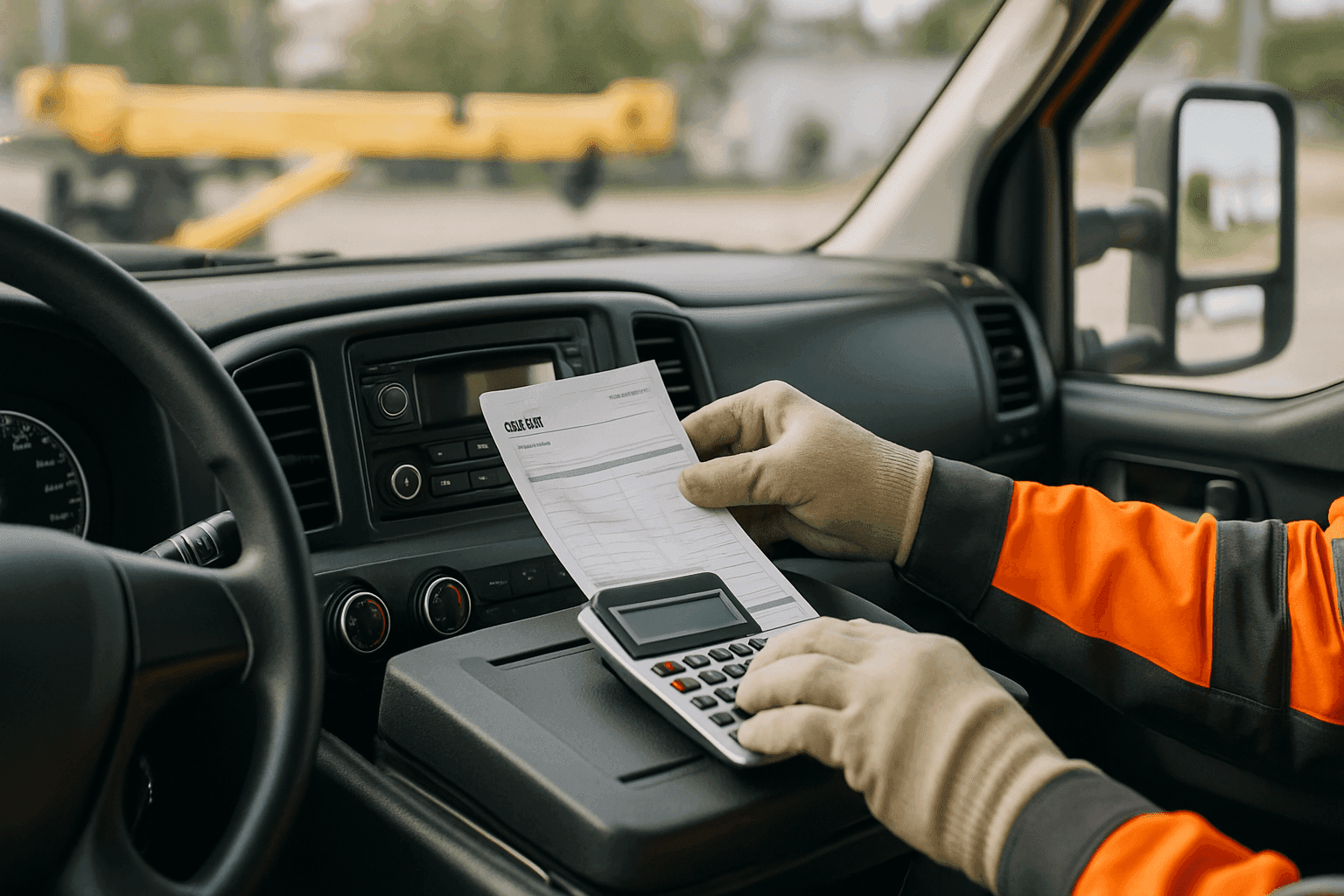
A clear, itemized invoice helps you see where your money’s going. Here’s what to look for:
- Dispatch/base fee: Getting the truck on the road.
- Mileage: Charged after a certain distance.
- Service type: Light/medium/heavy-duty, flatbed, winching, etc.
- Labor: Additional crew or time on scene.
- After-hours/holiday surcharge: If applicable.
- Cleanup or recovery fees: For accident scenes or hazardous materials.
- Storage: If your vehicle needs to be held overnight or longer.
Tip: Ask for a breakdown before you sign. Don’t be afraid to question anything that isn’t clear.
Avoiding Hidden Fees: Smart Tips
Nobody likes surprises—especially on a bill. Here’s how to keep things transparent:
- Ask for an upfront estimate: Get base, mileage, and specialty service rates.
- Clarify what’s included: Some companies advertise low rates, but tack on extras for mileage, labor, or equipment.
- Check for minimum charges: Even short tows may have a flat minimum.
- Read the fine print: Especially for after-hours, holidays, or off-road calls.
- Keep your insurance info handy: If you’re covered, make sure the provider knows from the start.
Tip: Professional towing_services should welcome your questions. If you feel rushed or pressured, consider another provider.
Budgeting and Asking the Right Questions
When you call for Equipment Transport near you or any towing_services, have this info ready:
- Your exact location and destination.
- Vehicle make, model, and condition.
- Nature of the problem (stuck, accident, breakdown).
- Any special needs (flatbed, motorcycle, low clearance).
- Insurance or roadside plan details.
Ask:
- What is the base rate?
- How is mileage calculated?
- Are there after-hours or emergency fees?
- What services are included, and which cost extra?
- Can I get an itemized estimate?
Armed with answers, you’ll know what to expect before the truck even arrives.
References and Safety Guidelines
Towing is governed by strict safety rules. Professional operators follow guidelines from organizations like the Towing and Recovery Association of America (TRAA) and adhere to local Department of Transportation (DOT) regulations. This ensures each tow is performed safely—for you, your vehicle, and everyone on the road.
In Summary: Knowledge Is Power
Understanding towing costs doesn’t have to be a headache. With a little preparation and the right questions, you can avoid sticker shock and get the help you need—when you need it most.
Call Hook N Book Towing now — or reach us anytime at 844-484-7635 .