Specialty Vehicle Towing: Protecting Your Investment from Start to Finish
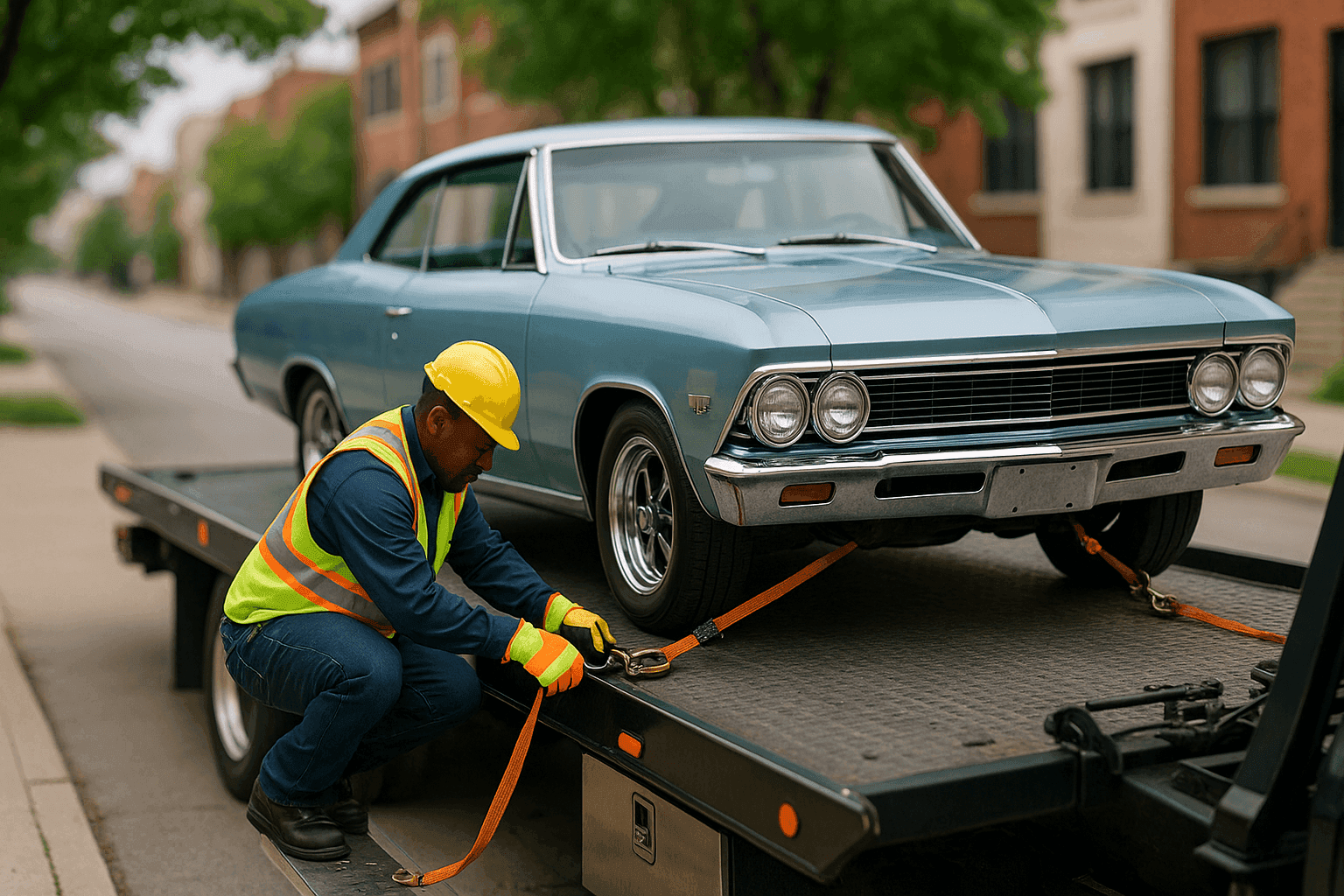
Owning a specialty vehicle feels a lot like owning a rare piece of art. Whether it’s a restored classic car, a custom motorcycle, your family’s RV, or a prized boat, these vehicles are more than just machines—they’re investments packed with stories and sweat. When it comes time to move them—across town, across the state, or even further—you need to know they’re in safe hands.
At Hook N Book Towing, we understand that every mile matters when your vehicle is on the line. This guide walks you through the best ways to protect your specialty vehicle during towing or transport, covering every question and concern that might keep you up at night.
Types of Specialty Vehicles and Their Risks 🚗
Not all vehicles are built the same. And neither are their risks.
Common specialty vehicles we handle include:
- Classic and vintage cars
- Show cars and exotics
- Motorcycles (including trikes and custom builds)
- RVs and campers
- Boats and personal watercraft
- Off-road vehicles and ATVs
- Commercial fleet and specialty work trucks
Each comes with its own unique set of challenges. Classic cars can be prone to rust or frame stress. Motorcycles tip over easily if poorly secured. Boats need weather protection and careful cradle placement. RVs have delicate underbellies and custom features that don’t take kindly to rough roads.
Risks increase when:
- The wrong equipment is used (think: old straps on a new paint job)
- Operators lack training
- Vehicles aren’t properly prepped for the journey
- Weather or road conditions change suddenly
A specialty vehicle is not a regular sedan. It needs more attention, more care, and sometimes, more insurance.
Choosing the Right Equipment
Imagine moving a priceless painting in the back of a pickup. Not ideal, right? The right equipment is everything when it comes to safe transport.
What matters most:
- Specialized trailers: Flatbeds, enclosed carriers, and low-clearance ramps keep vehicles stable and protected.
- Custom tie-downs: Soft straps and wheel nets prevent scratches, dents, or frame stress.
- Winching systems: Controlled, slow loading avoids undercarriage damage.
- Wheel lifts: For motorcycles or low-profile cars, these offer secure, no-contact transport.
Ask your towing_services provider what gear they use. Don’t settle for “it’ll fit” or “we’ll make it work.” Equipment Transport near you should always mean equipment that fits your vehicle, not the other way around.
Quick Questions to Ask:
- Can you show me your trailer and loading equipment?
- Have you transported my type of vehicle before?
- How do you protect delicate finishes or custom parts?
Expert Handling and Loading Techniques 🏍️
Moving a specialty vehicle is like threading a needle blindfolded. It’s all about precision and patience.
What trained operators do:
- Inspect your vehicle before loading, noting existing marks or quirks.
- Plan the loading angle—low-slung sports cars need extra-clearance ramps.
- Use soft straps, never chains on finished surfaces.
- Double-check balance and secure points, especially for motorcycles or boats.
- Load slowly and communicate each step if you’re present.
If you’re present, ask to watch the process. A reputable operator welcomes your involvement and questions.
Pro tip: Remove loose items, personal belongings, and accessories before transport. Secure doors, hatches, and windows. If you’re towing an RV, secure inside objects as if you’re hitting a bumpy road.
Insurance and Documentation
Even the best plans need a safety net. Insurance isn’t an afterthought—it’s your backup parachute.
Key points:
- Confirm your provider’s insurance covers your vehicle’s full value, not just a basic amount.
- Ask for a certificate of insurance (COI) with your name and vehicle listed.
- Take clear, time-stamped photos of your vehicle before pickup.
- Document any unique features, upgrades, or sensitive areas.
For high-value or rare vehicles, ask about additional coverage. Check your own policy too—some personal auto or boat insurance plans cover transport, but many don’t. According to the Federal Motor Carrier Safety Administration (FMCSA), commercial carriers must carry minimum liability coverage, but that’s often not enough for specialty vehicles.
If you’re dealing with an insurance claim or accident recovery, make sure your towing_services provider is experienced in proper documentation and accident scene management.
Long-Distance Considerations 🛣️
Moving a specialty vehicle across the country? The risks and planning only increase.
Long-distance moves require:
- Enclosed trailers for weather and road debris protection
- Multiple tie-down checks at rest stops
- Tracking and check-in updates
- Route planning to avoid rough or hazardous roads
If you’re storing a vehicle seasonally (like a classic car in winter), make sure it’s prepped for both the tow and long-term storage. Consider fuel stabilizers, battery maintenance, and tire pressure checks.
Cross-country tip: Schedule your pickup well in advance, especially during peak seasons. Ask for updates and request photos upon delivery.
How to Vet Your Towing Provider
Not all towing_services are created equal. Your specialty vehicle deserves more than a quick tow off the lot.
Vetting checklist:
- Are operators trained and certified for specialty vehicle towing?
- Can they provide references for similar jobs?
- Do they use purpose-built equipment?
- Is their insurance up to date and adequate for your vehicle’s value?
- Will they walk you through their loading process?
Never be afraid to ask for credentials or proof of experience. A reputable service welcomes your questions.
Preparing Your Vehicle for Transport
A little prep goes a long way. Here’s what you can do:
- Clean your vehicle inside and out for accurate inspection.
- Photograph your vehicle from every angle.
- Remove valuables, documents, toll tags, and personal items.
- Secure or remove loose parts and accessories.
- Disable alarms, if possible, to avoid accidental triggers.
- Check fluid levels and tire pressures.
- For boats, drain water and secure hatches.
- For RVs, secure all internal items and lock external compartments.
If you’re unsure, ask your provider for a pre-tow checklist specific to your vehicle type.
Real-World Scenarios
Seasonal Storage: Many classic car owners store their vehicles for winter. Specialty towing ensures your car gets to and from storage without a scratch.
Cross-Country Move: Relocating? Don’t trust your prized motorcycle or RV to just anyone. Specialty towing_services keep your investment protected for every mile.
Accident Recovery: In a collision, the last thing you need is more damage. Trained operators with proper equipment can recover and transport your specialty vehicle safely, while also assisting with accident documentation.
Frequently Asked Questions
How do I know if my vehicle needs specialty towing?
If your vehicle is rare, custom, unusually shaped, or high-value, it likely needs specialty towing. When in doubt, err on the side of caution—ask about Equipment Transport near you for peace of mind.
What if my vehicle is modified or lowered?
Tell your provider up front. Special ramps, low-clearance trailers, and careful handling are a must for modified vehicles.
How soon should I schedule specialty towing?
The sooner, the better—especially for long-distance moves or during busy seasons. Specialty equipment and trained operators book up fast.
Can I ride along with my vehicle?
For insurance and safety reasons, most providers do not allow this. However, reputable services will keep you updated throughout the journey.
Local and Seasonal Considerations 🌦️
Different regions and seasons bring unique challenges. In winter, road salt and slick surfaces add risk—enclosed transport is your best friend. Summer heat can affect tire pressure or battery life. Rural routes may be less maintained, so route planning matters.
Ask your towing_services provider about their experience with seasonal and regional factors. Local knowledge counts.
Final Thoughts
Your specialty vehicle is more than just metal and rubber. It’s an investment, a memory, a piece of your story. Protect it like you would anything precious—by choosing trained operators, specialized equipment, and proper insurance every single time.
Ready to move your vehicle? Have questions about Equipment Transport near you? Don’t wait until it’s too late.
Call Hook N Book Towing now — or reach us anytime at 844-484-7635 .