Preventing Common Vehicle Breakdowns: Maintenance Tips from Towing Pros
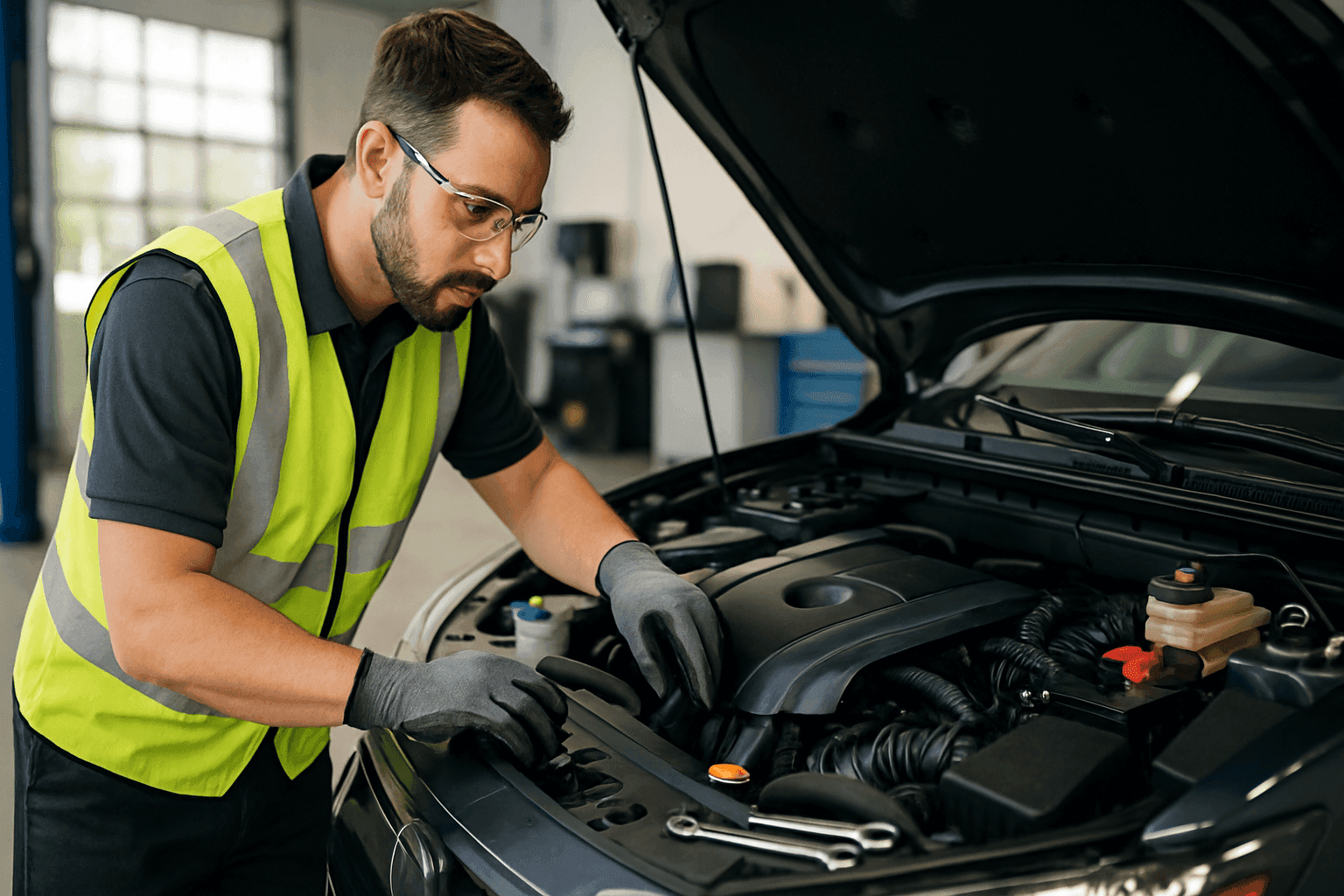
No one plans for a breakdown. Yet, in a blink, you're stuck—kids in the back, groceries in the trunk, or a delivery deadline slipping away. At Hook N Book Towing, we see it all. Every day, we help drivers who could have avoided their breakdown with just a little know-how.
Think of your vehicle like a pair of running shoes. Ignore them long enough and they’ll fail you when you need them most. Our team handles everything from quick jumpstarts to full repairs. Here’s what we wish every driver—mom, commuter, or fleet manager—knew about keeping those wheels spinning.
Most Common Causes of Vehicle Breakdowns 🚗
It’s rarely just “bad luck.” The most frequent reasons we tow vehicles? They’re as familiar as your morning routine:
- Dead Batteries: Like a phone left unplugged overnight, a weak battery won’t get you far. Batteries fade with age and extreme temperatures.
- Tire Issues: Blowouts, flats, slow leaks—one nail or a worn tread is all it takes.
- Fluid Leaks: Oil, coolant, transmission fluid—when they drip, trouble follows. Low fluids can cook an engine or burn out a transmission.
- Engine Trouble: Overheating, strange noises, stalling. Many times, it started as a small problem—a loose belt, a clogged filter—left unchecked.
The National Highway Traffic Safety Administration (NHTSA) lists battery failures and tire blowouts among the top causes of roadside emergencies. Most can be prevented.
Preventive Maintenance Checklist
A little TLC goes a long way. Here’s what every driver and fleet manager should do—no wrench required:
- Inspect Tires Monthly: Look for cracks, bulges, and low tread. Check pressure with a gauge (even if your dash says it’s fine).
- Top Off Fluids: Engine oil, coolant, brake, power steering, and windshield washer fluid. Check levels regularly, especially before long trips.
- Test the Battery: If it’s over three years old, have it checked. Watch for slow cranking or dim headlights—early signs of battery fatigue.
- Listen and Look: Unusual noises, dashboard lights, or puddles under your vehicle? Don’t shrug it off.
- Change Filters: Air, oil, and fuel filters should be clean. Dirty filters strain your engine and reduce efficiency.
- Inspect Belts and Hoses: Cracks or frays mean it’s time to replace them. A snapped belt can leave you stranded.
Set a reminder—once each month, take ten minutes to run through this checklist. It’s like brushing your teeth: routine, quick, and absolutely essential.
Seasonal Maintenance: Weather-Proofing Your Ride
Seasons change. So do vehicle risks. Here’s how to prep for Mother Nature’s mood swings:
Storms & Heavy Rain
- Check Wipers and Lights: See and be seen. Replace streaky blades and burned-out bulbs.
- Inspect Tire Tread: Good tread prevents hydroplaning on slick roads.
- Test Brake Response: Wet roads mean longer stops. Get brakes checked before it matters.
Freezes & Snow
- Battery Check: Cold kills weak batteries.
- Antifreeze Levels: Prevent engine freeze-ups.
- Tire Quality: Winter tires or all-seasons with plenty of tread are a must.
- Emergency Kit: Blankets, snacks, and a flashlight can make a big difference if you’re stuck.
Heat Waves
- Coolant: Keep it topped off. Overheating is common in hot weather.
- Air Conditioning: Not just for comfort—AC can keep you alert and safe.
- Check Hoses: Heat makes them brittle.
Just like you dress differently for summer and winter, your car needs different care, too.
When to Consult a Professional
Some issues wave red flags. Don’t ignore them:
- Dashboard warning lights appear (especially oil, battery, or check engine).
- Smoke, burning smells, or puddles form under your car.
- Handling feels off—steering pulls, brakes squeal, or the ride is rough.
- Repeated stalling or hesitation when starting or driving.
If any of these sound familiar, it’s time to call a towing_service or schedule Maintenance near you. A professional inspection can catch problems before they become emergencies.
Benefits of Scheduled Inspections
Think of regular inspections as a health checkup for your vehicle. They:
- Catch small issues early—cheap to fix before they cause breakdowns.
- Extend vehicle lifespan—fewer repairs, more miles.
- Reduce downtime—especially vital for business fleets.
- Save money—the cost of a tow and emergency repair is always higher than preventative care.
The American Automobile Association (AAA) recommends inspections at least twice a year. For commercial vehicles, quarterly reviews are even better.
Real-World Tips for Busy Owners and Fleet Managers
- Keep records: Jot down service dates and repairs. Patterns reveal themselves.
- Assign a “vehicle champion” in your business—someone who does quick weekly checks.
- Don’t skip oil changes: Old oil is like sludge in your veins—a killer for engines.
- Rotate and balance tires: It’s the secret to even wear and a smooth ride.
Frequently Asked Questions
How often should I check my vehicle’s fluids?
At least once a month. If you drive often or haul heavy loads, check more frequently.
Are warning lights always urgent?
Some (like oil pressure or engine temperature) are. Others just mean something needs attention soon. When in doubt, consult a pro.
What’s the most common mistake drivers make?
Ignoring small changes—strange sounds, new vibrations, or warning lights. Little things, left alone, become big problems.
How can I tell if my battery is about to fail?
Slow starts, dim lights, and age (over 3–5 years) are signs. Many auto parts stores will test your battery for free.
Local and Seasonal Considerations
Wherever you are, conditions change. Urban drivers face stop-and-go wear. Rural roads mean more debris and dust. For businesses, delivery trucks and vans rack up miles faster than you think.
Seasonal weather—blizzards, heat waves, rainy seasons—add extra stress. Adjust your maintenance to match. Consult guides from your vehicle’s manufacturer and check with the National Highway Traffic Safety Administration for up-to-date recommendations.
Don’t wait for the next breakdown. Stay ahead with Hook N Book Towing—your go-to for Maintenance near you, inspections, repairs, and honest advice.
Call Hook N Book Towing now — or reach us anytime at 844-484-7635 .