Fleet Towing for Businesses: Essential Maintenance and Inspection Strategies
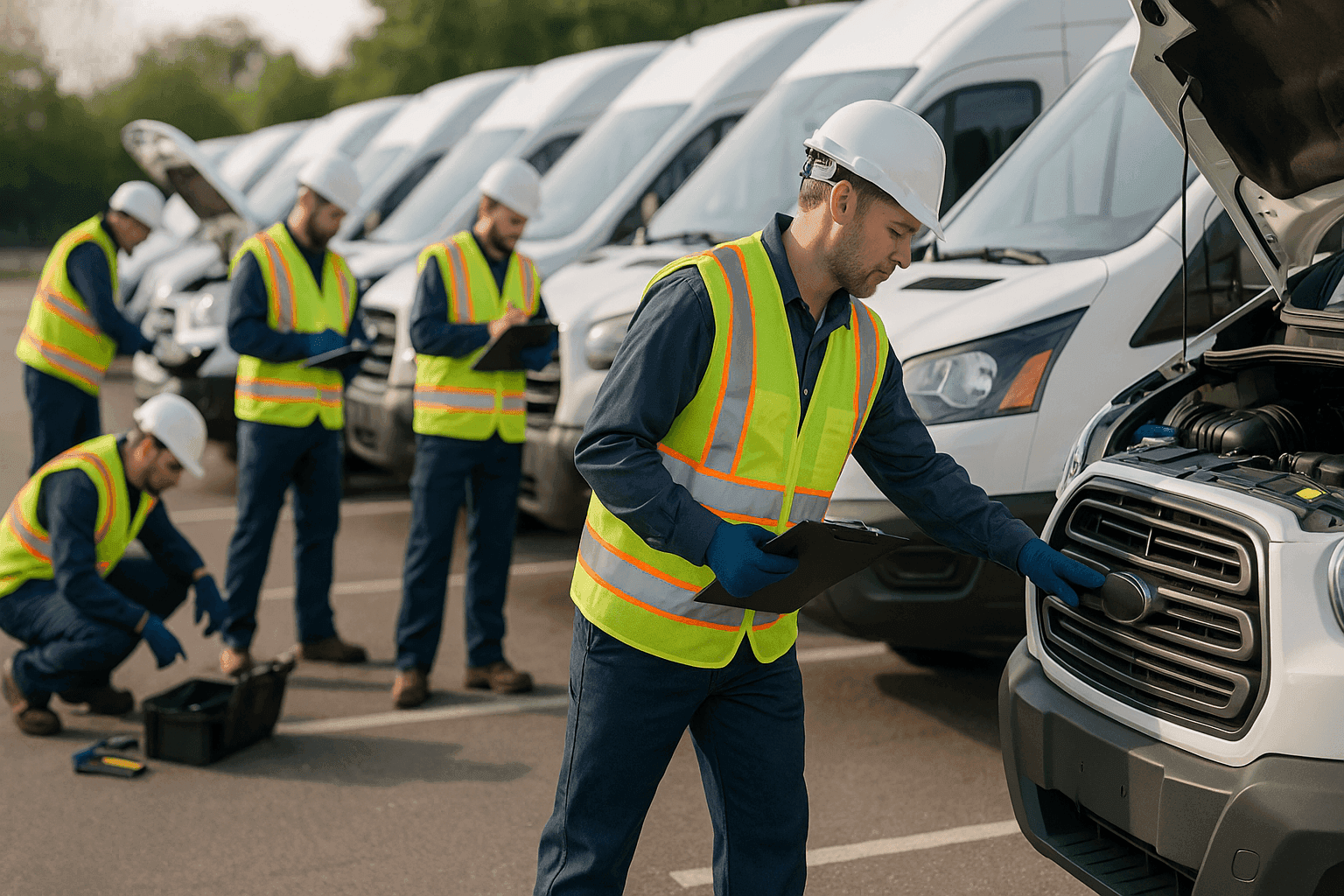
Running a commercial fleet isn’t just about moving from point A to point B. It’s about making sure every vehicle in your lineup is ready for the next job, today and tomorrow. One unexpected breakdown can bring business to a crawl. Your reputation is on the line with every mile.
At Hook N Book Towing, we know what’s at stake. Our team sees firsthand how routine care—or the lack of it—impacts fleets of all sizes. Let’s walk through practical, proven strategies for keeping your business fleet rolling and reduce the need for emergency towing_service.
The Importance of Fleet Maintenance—How Preventive Care Reduces Breakdowns and Towing Incidents 🚚
Think of your fleet as the backbone of your business. Strong, reliable, and able to handle whatever comes its way. Preventive maintenance is like regular exercise and checkups for that backbone. Skip them, and you’re inviting aches, pains, and eventually, total breakdown.
Why does this matter? Because breakdowns don’t just cost money for repairs—they cost you time, clients, and sometimes your professional reputation. The National Highway Traffic Safety Administration (NHTSA) highlights that most roadside incidents are preventable with routine care and proactive checks.
Preventive maintenance means:
- Sticking to manufacturer-recommended service intervals for oil, brakes, and tires.
- Addressing minor issues—like odd noises or dashboard alerts—before they snowball.
- Tracking maintenance history for each vehicle so you spot patterns and prevent repeat problems.
A little time spent now saves a lot of trouble later. That’s the real power behind “Maintenance near you”—it’s about keeping your business in motion.
Inspection Scheduling and Protocols—Best Practices for Regular Checks, Documentation, and Compliance 📝
Inspection routines aren’t just boxes to tick. They’re your early-warning radar. The U.S. Department of Transportation (DOT) and Federal Motor Carrier Safety Administration (FMCSA) both require regular inspections for commercial vehicles. But beyond the legal stuff, inspections simply make sense.
How to build a solid inspection protocol:
- Daily walk-arounds: Quick visual checks every morning catch leaking fluids, worn tires, or cracked lights.
- Weekly in-depth reviews: Check brakes, fluid levels, steering, and undercarriage.
- Monthly documented inspections: Record everything. Not just for compliance, but so you can spot trends.
- Annual professional reviews: Certified mechanics should perform comprehensive inspections annually or as required by law.
Keep inspection logs in a shared digital folder or binder. This helps with audits and keeps everyone on the same page.
Common Fleet Problems—Early Warning Signs and How to Address Them Before They Lead to Towing
Fleet vehicles talk to you—if you listen. Ignoring those whispers can quickly turn into a shout for help on the roadside.
Watch for these warning signs:
- Slow engine starts or repeated stalling
- Dashboard warning lights that don’t disappear
- Squealing brakes or grinding sounds
- Uneven tire wear or frequent flat tires
- Unusual engine smells or excessive exhaust
Address these issues promptly. Sometimes, it’s as simple as topping off fluids or tightening a loose belt. Other times, you’ll need professional repair or installation to keep everything safe and roadworthy.
Employee Training—Why Driver Education Matters for Fleet Health
Your drivers are the eyes and ears of your fleet. A well-trained driver can spot problems early, avoid hazardous habits, and report issues before they become emergencies.
Build a driver education program that covers:
- Pre-trip and post-trip inspection routines
- Reporting issues immediately, not “when it’s convenient”
- Safe driving habits that prevent accidents and wear-and-tear
- Correct procedures for emergency situations
Regular refresher sessions keep safety and maintenance top of mind.
Partnering with Professional Towing Services—Benefits of Consultation and Planned Service Agreements
No matter how well you maintain your fleet, surprises happen. That’s where a trusted towing_service partner comes in.
Benefits of working with pros like Hook N Book Towing:
- Priority response when your business can’t afford to wait
- On-site consultations to help refine your maintenance and inspection routines
- Custom service agreements that fit your unique fleet needs—so you’re prepared before trouble hits
A planned partnership means fewer headaches and faster solutions when the unexpected happens.
Practical Tips for Fleet Maintenance Success
- Create a simple maintenance schedule and stick to it.
- Use checklists for daily and weekly inspections.
- Invest in quality parts and fluids.
- Keep records organized and accessible.
- Train every employee—not just drivers—on why maintenance matters.
References to Authoritative Guidelines
For detailed safety and inspection rules, consult:
- U.S. Department of Transportation (DOT)
- Federal Motor Carrier Safety Administration (FMCSA)
- Your vehicle manufacturer’s owner’s manual
These resources set the foundation for safe, compliant, and reliable fleet operation.
Fleet health is business health. Don’t let preventable breakdowns stall your operations or damage your reputation. For maintenance, repair, inspections, installation, and reliable towing_service, Hook N Book Towing is your fleet’s best ally.
Call Hook N Book Towing now — or reach us anytime at 844-484-7635 .