Emergency Towing Preparedness: How to Stay Safe in Any Situation
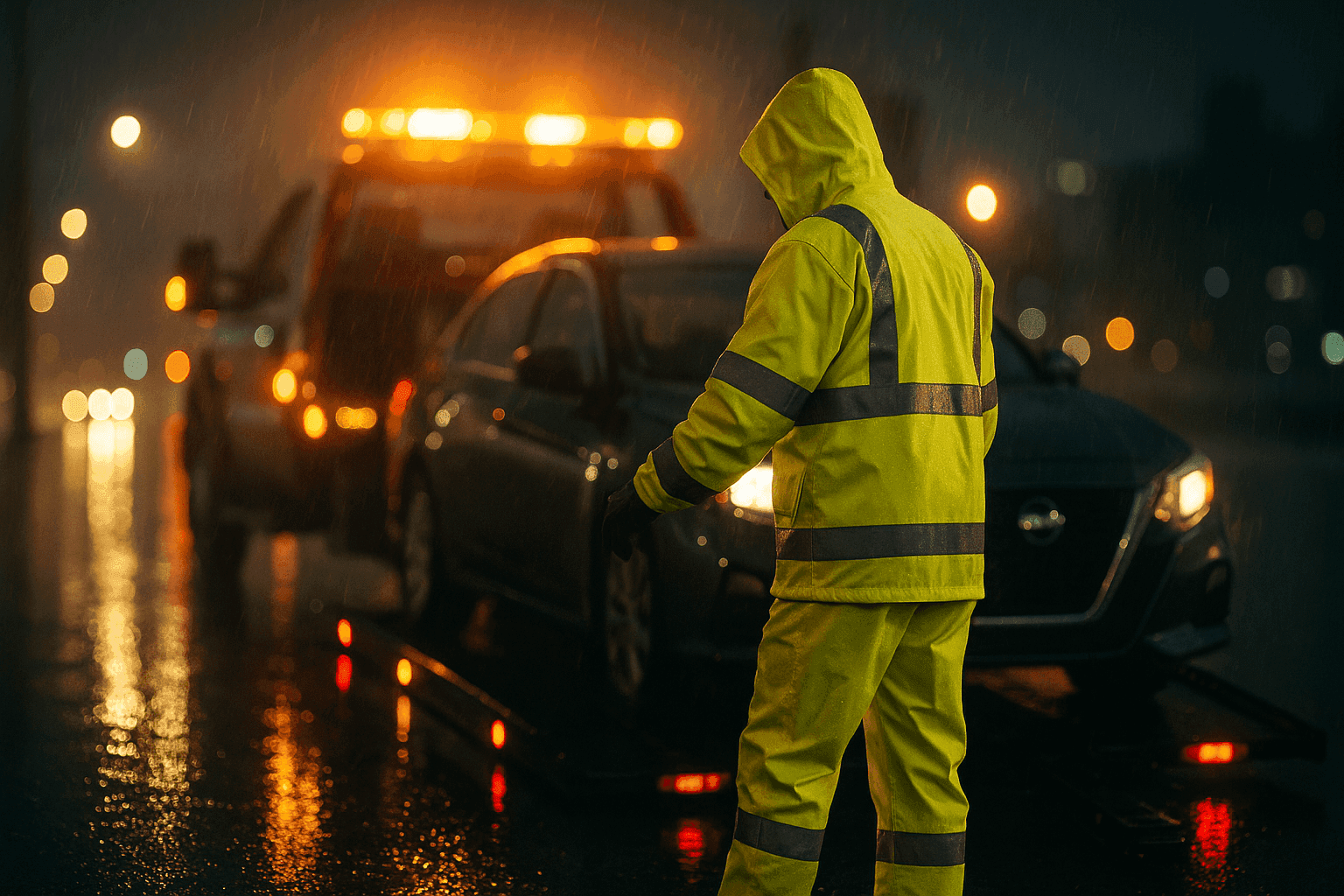
When the unexpected strikes on the road, your next move matters. Whether you’re on your way to work or shuttling equipment between job sites, a roadside breakdown can turn a normal day upside down. Hook N Book Towing understands that concern—because we’ve seen it all, and we know what works.
Preparation is more than just a checklist. It’s your shield against chaos. Here, we break down how you can stay safe, informed, and ready for any towing emergency—at home, at work, or anywhere in between.
Building a Roadside Emergency Kit 🚗
Imagine your vehicle as your ship. Out on the road, you need supplies to weather any storm. A well-stocked roadside emergency kit is your lifeboat. It protects you, your passengers, and even your vehicle from further harm.
What should every kit include?
Let’s keep it practical:
- Reflective triangles or flares—visibility is your friend.
- High-visibility vest or jacket.
- Flashlight with extra batteries.
- First aid kit (with gloves and basic medications).
- Jumper cables.
- Tire inflator or sealant.
- Multipurpose tool or basic toolkit.
- Bottled water and non-perishable snacks.
- Phone charger or power bank.
- Blanket or compact emergency sleeping bag.
- Copy of your insurance and contact information.
Check your kit twice a year. Swap out expired items. Tailor it for your climate—think sunscreen and extra water in summer, ice scraper and hand warmers for winter. The National Safety Council recommends many of these essentials for every driver, whether residential or commercial.
Steps to Take in Severe Weather
Weather can change in a heartbeat. One minute, you’re driving under clear skies. The next, you’re caught in a downpour or sudden freeze. Staying safe starts with knowing what to do—before help arrives.
Storms and Heavy Rain:
- Slow down, pull off the main road if possible, and use hazard lights.
- Avoid stopping on curves or hills.
- Stay inside your vehicle unless it’s unsafe (like flooding).
Freezing Temperatures:
- Run the engine periodically for heat, but crack a window for ventilation.
- Keep your exhaust pipe clear of snow to prevent carbon monoxide buildup.
- Wear all available warm clothing—even wrapping up in floor mats if necessary.
Extreme Heat:
- Park in the shade, if you can.
- Conserve phone battery by limiting use.
- Drink water, stay inside with windows cracked for airflow.
The Federal Highway Administration stresses that weather-related crashes are more common than you might think. Preparation is your first line of defense.
How to Stay Visible and Safe While Waiting
Visibility isn’t just about being seen—it’s about being safe. Think of your vehicle as a lighthouse. The brighter and more noticeable you are, the less likely you’ll be hit or overlooked by passing vehicles or emergency responders.
- Activate hazard lights immediately.
- Place reflective triangles or flares 50-100 feet behind your vehicle, especially at night or in low-visibility conditions.
- Wear your high-visibility vest or bright clothing if you must exit the vehicle.
- Stand away from traffic—behind a guardrail or well off the shoulder if possible.
- Stay alert and monitor your surroundings.
These steps echo guidelines from the U.S. Department of Transportation and local law enforcement. Simple actions, big impact.
Communication Essentials
Knowing who to call—and what to say—can make all the difference.
- Contact a professional towing_service like Hook N Book Towing.
- Be ready to provide:
- Your exact location (mile markers, landmarks, GPS if possible).
- Vehicle make, model, and color.
- Nature of the problem (flat tire, engine failure, accident, etc.).
- Number of passengers and any special needs (children, elderly, pets).
Keep your phone charged. If you’re in a remote area, try texting a trusted contact; texts sometimes go through when calls won’t.
Special Considerations for Holidays 🎄
Holidays bring more cars, more distractions, and higher risks. Traffic thickens. Roads can be slick or dark. People are often in a hurry—or tired. The National Highway Traffic Safety Administration reports a spike in accidents around major holidays.
How to prepare:
- Double-check your emergency kit before any holiday trip.
- Allow extra travel time. Rushing increases risk.
- Watch for impaired or drowsy drivers.
- If you break down, follow all safety steps—visibility, communication, and staying calm.
Problem/Scenario: When Trouble Finds You
It starts as a small hiccup. Maybe a strange noise. Maybe a warning light. Suddenly, you’re at a standstill. For both homeowners and business owners, this can quickly become a domino effect—missed appointments, lost revenue, safety concerns.
Preparation transforms panic into action. Each step you take—kit in the trunk, emergency plan in mind—adds a layer of protection for you, your loved ones, or your employees.
Quick Safety Checklist
- Move to a safe location, away from traffic if possible.
- Turn on hazard lights.
- Set up reflective triangles or flares.
- Stay inside the vehicle unless unsafe.
- Call for a professional towing_service.
- Communicate your location and needs clearly.
- Monitor surroundings and weather.
- Wait for help—safely and visibly.
DIY vs. Call a Pro
Sure, some situations call for a quick fix. A flat tire, maybe a dead battery. But modern vehicles can be tricky. Commercial fleets? Even more so.
When to DIY:
- Flat tire with safe conditions and proper tools.
- Battery jump-start, if you know your vehicle’s system.
When to call a pro:
- Unknown mechanical issues.
- Roadside breakdown in heavy traffic or bad weather.
- Accidents, vehicle leaks, or electrical problems.
- Commercial vehicles with sensitive cargo or complex systems.
A towing_service professional brings more than a truck—they bring training, safety gear, and experience with all types of vehicles.
What Pros Do On Arrival
When Hook N Book Towing arrives, the process is calm and systematic. Here’s what to expect:
- Assess the scene for safety risks.
- Secure the area—cones, lights, reflective gear.
- Inspect the vehicle for damage or hazards.
- Perform basic repairs if possible (jump-starts, tire changes).
- Safely tow the vehicle to a maintenance facility, repair shop, or your preferred location.
Our approach follows industry standards from organizations like the Towing and Recovery Association of America.
Prevention & Maintenance
The best roadside emergency? The one you avoid altogether. Regular maintenance and inspections are your best defense.
- Schedule routine checks—brakes, fluids, lights, tires.
- Keep a log of repairs and inspections.
- Address small issues before they turn into big problems.
- For commercial fleets, set up professional consultation and installation of safety features.
Search for “Maintenance near you” and book inspections before hitting the road. A little attention now saves a lot of trouble later.
Costs & Time Factors
Emergencies rarely come at a convenient time—or price. While costs and timeframes vary, here’s what affects them:
- Time of day and road conditions.
- Location (urban, rural, highway).
- Type of service needed (towing, jump-start, lockout).
- Vehicle size and weight.
Most roadside services take 30–90 minutes to arrive, depending on traffic and weather. Repairs or towing may take longer—especially during severe weather or holiday rush.
When It’s an Emergency
Not every breakdown is a crisis, but some situations call for urgent action:
- Vehicle on fire or leaking fluids.
- Stalled in a dangerous spot (blind curve, busy lane).
- Medical emergency onboard.
- Extreme weather exposure (heatstroke, hypothermia risk).
In these cases, call emergency services first—then your towing_service.
FAQ
Q: Can I stay in my car while waiting for a tow?
A: In most cases, yes. Stay buckled, keep doors locked, and only exit if it’s unsafe inside.
Q: What if I’m on a busy highway?
A: Move as far off the road as possible. Use hazard lights, set up reflectors, and remain inside unless you’re in immediate danger.
Q: Are commercial vehicles handled differently?
A: Yes. Larger vehicles, sensitive cargo, or specialized equipment require trained operators and specific processes—something a professional towing_service is equipped to handle.
Local/Seasonal Considerations
Your region’s climate shapes your emergency plan. For example:
- Winter: More blankets, hand warmers, ice scraper, kitty litter for traction.
- Summer: Extra water, sunblock, wide-brim hat.
- Storm-prone areas: Waterproof gear, weather radio.
Regularly update your kit and plan before each season. The American Automobile Association (AAA) offers region-specific recommendations for residential and commercial drivers alike.
Preparedness is the anchor that keeps you steady when the unexpected hits. Whether you’re headed home or managing a fleet, Hook N Book Towing stands ready with trusted advice, professional service, and a commitment to your safety.
Call Hook N Book Towing now — or reach us anytime at 844-484-7635 .