How to Choose a Reliable Towing Service for Your Home or Business
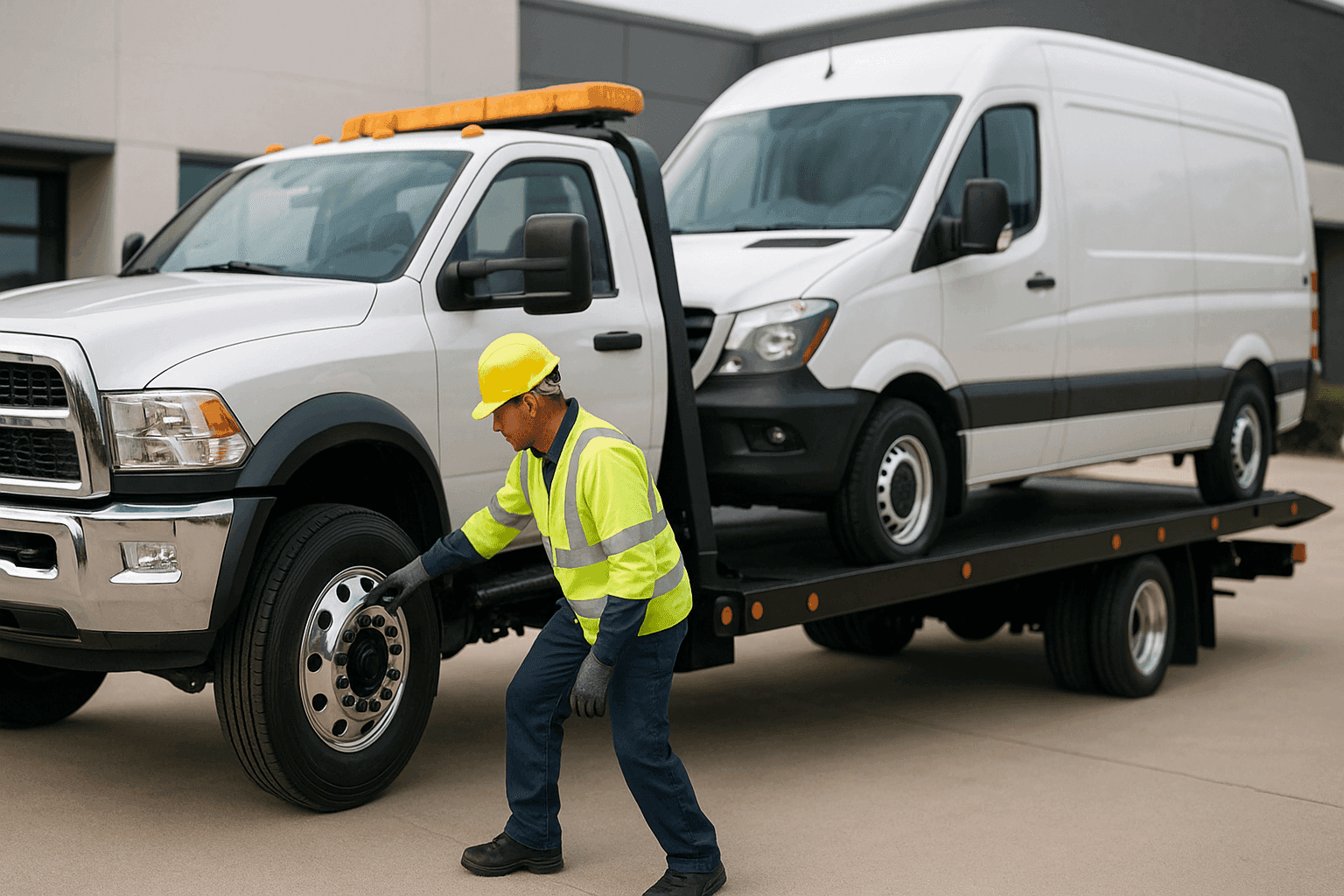
When you need a towing_service, it’s never at a convenient time. Maybe your car won’t start in your driveway. Maybe your business parking lot is blocked. Whatever the problem, you want help fast—and you want to know you’re in good hands.
But with so many choices, how do you pick a towing company that’s truly reliable? Your vehicle or equipment represents a major investment, and your time is valuable. Let’s break down what matters most.
Key Qualities to Look For
Trustworthy towing_service providers share a few unmistakable traits. Imagine choosing a pilot for your flight. You’d check their credentials, right? The same goes for anyone handling your car, truck, or business fleet.
Check these essentials before you book:
- Licensing: Any reputable towing_service must operate legally in your area. Ask to see their license or look up their business name in local registries.
- Insurance: If something goes wrong, you want to know you’re covered. Always verify that the company carries up-to-date liability and vehicle insurance.
- Certifications: Look for credentials from organizations like the Towing and Recovery Association of America (TRAA) or National Institute for Automotive Service Excellence (ASE). These show ongoing training and skill.
- Equipment Standards: Outdated or poorly maintained trucks are a red flag. Modern, well-serviced equipment means safer, more reliable service. Ask how often their fleet is inspected and maintained. 🛠️
Tip: Local and state codes, like those from your Department of Transportation, often set standards for towing equipment and driver training. Don’t be shy—ask what guidelines they follow.
Service Offerings for Home and Business
Not all towing_service providers offer the same menu. At Hook N Book Towing, we know needs vary from a stranded commuter to a commercial fleet operator. Here’s what to consider:
Maintenance
- Regular checks prevent breakdowns before they start. Maintenance near you should include fluid levels, tire pressure, and battery health.
Repair
- From jump starts to flat tire fixes, repairs can be handled roadside or at your location. For businesses, prompt repair minimizes downtime.
Inspections
- Pre-purchase or routine inspections catch issues early. These evaluations cover brakes, lights, tow hitches, and more.
Installation
- Need a new tow hitch, winch, or fleet tracking system? Choose a towing_service that can install and test equipment for both personal and commercial vehicles.
Consultation
- Confused about local towing laws? Not sure what your insurance covers in an emergency? Reliable teams offer consultation to help you navigate regulations, safety codes, and best practices.
For Homeowners: Look for services that include driveway recovery, accident assistance, and preventative checkups.
For Businesses: Seek providers with fleet management experience, contract options, and the ability to handle multiple vehicle types.
Customer Reviews and Reputation
Choosing a towing_service is like picking a restaurant in a new city—you look at reviews first. But don’t stop at star ratings.
- Read full testimonials: Look for stories that mention professionalism, punctuality, and transparency.
- Check industry affiliations: Memberships in professional organizations show a commitment to standards.
- Look for repeat clients: Businesses that serve commercial fleets often have long-term contracts. That’s a sign they deliver consistent quality.
Don’t forget: The Better Business Bureau (BBB) and local consumer protection agencies are great places to investigate any complaints or unresolved issues. 📝
Response Times and Availability
Picture this: It’s midnight, you’re locked out of your truck, and your battery is dead. You want help now—not in the morning. That’s why quick response times and 24/7 availability matter.
- Ask average wait times: Some companies offer real-time tracking or text updates.
- 24/7 coverage: Emergencies don’t keep business hours. Make sure the towing_service you choose answers the phone any time, day or night.
Questions to Ask Before You Hire
Not sure what to ask? Try these:
- Are you licensed and fully insured for my vehicle type?
- What certifications do your drivers hold?
- How often is your equipment inspected and updated?
- Do you offer both residential and commercial services?
- What is your average response time in my area?
- Can you provide references or testimonials from other customers?
- Are there any additional fees for after-hours or long-distance calls?
A reputable provider will answer clearly and confidently.
Red Flags to Watch Out For
Sometimes, the warning signs are clear as a flat tire in the middle of a highway. Here’s what should make you pause:
- Vague or missing licensing/insurance info
- Unmarked vehicles or drivers without uniforms/badges
- No written estimates or unclear pricing
- Poor communication or evasive answers
- Consistently negative reviews mentioning the same issues
If something feels off, trust your instincts and keep looking.
Practical Safety Checklist
Before you commit to any towing_service, run through this quick checklist:
- Confirm licensing and insurance.
- Ask about equipment maintenance schedules.
- Check for recent, positive customer reviews.
- Request a written estimate before work begins.
- Clarify service area and response times.
- Review service agreement terms.
- Save their contact info in your phone for emergencies. 📱
How Maintenance and Prevention Save You Time and Money
Think of preventative maintenance like regular doctor checkups for your car or fleet. Little issues—low fluids, worn tires, weak batteries—can turn into big breakdowns. A good towing_service offers regular inspections and maintenance near you to keep everything running smoothly.
- Schedule seasonal checkups, especially before winter or summer road trips.
- For businesses, set up a preventative plan for your entire fleet.
- Always keep records of inspections and repairs.
Refer to resources like the National Highway Traffic Safety Administration (NHTSA) for recommended maintenance intervals and safety reminders.
Costs & Time Factors
Nobody likes surprises, especially when it comes to bills or waiting around for help. Here are some factors that affect the bottom line:
- Service type: Roadside jump starts usually cost less than complex recoveries.
- Distance: The farther you are from the provider, the more you may pay.
- Time of day: After-hours or holiday calls can carry extra fees.
- Vehicle type: Larger vehicles, specialty trucks, or equipment may require unique tools or expertise.
Always ask for a clear estimate up front. If a company hesitates, that’s a cue to look elsewhere.
When It’s an Emergency
Stay calm. Safety comes first.
- Move your vehicle to a safe spot, if possible.
- Turn on hazard lights and set out warning triangles or flares.
- Stay with your vehicle until help arrives, unless it’s unsafe.
Be ready to provide your exact location, vehicle make/model, and the nature of the problem when you call. Quick, accurate info helps get you back on the road faster.
Frequently Asked Questions
How do I know if a towing_service is legitimate?
Ask for their business license, insurance proof, and check for professional affiliations.
Can a towing_service help with more than just towing?
Yes. Many offer repairs, lockout assistance, jump starts, inspections, and even equipment installation.
What should I do while I wait for help?
Stay safe—remain in your vehicle if you’re near traffic. Have your phone handy, and be ready to describe your situation.
Is there a difference between residential and commercial towing?
Yes. Commercial services often involve larger vehicles, fleet management, and contract options. Residential service is usually one-time or on-demand.
Local and Seasonal Considerations
Weather, traffic, and local laws all play a role in towing_service reliability. In colder months, battery failures and icy roads spike. In summer, overheating and tire blowouts are common.
Be sure your provider is equipped for local weather and knows regional regulations. For example, some cities require special permits for towing from private property or commercial lots.
Before bad weather hits, schedule inspections and keep emergency supplies in your vehicle—jumper cables, blankets, water, and a flashlight.
Choosing the right towing_service is like picking a safe harbor in a storm—look for the signs, ask the right questions, and don’t settle for less than professional, reliable care.
Call Hook N Book Towing now — or reach us anytime at 844-484-7635 .